
Shoulder or elbow pain can make simple activities surprisingly difficult. Reaching overhead, putting on clothes, lifting a bag, working at a computer, exercising, or sleeping comfortably may become challenging. Choosing appropriate shoulder and elbow treatment begins with identifying which structure is actually responsible for the symptoms.
Because many conditions produce similar pain patterns, self-diagnosis can easily be misleading.
What Can Cause Shoulder Pain?
Common sources of shoulder symptoms include problems involving the rotator cuff, tendons, joint capsule, cartilage, surrounding soft tissues, or instability after an injury.
Symptoms worth assessing include:
- Persistent pain when lifting the arm
- Night pain
- Weakness
- Marked stiffness
- Recurrent shoulder dislocation
- Pain following an injury
- Reduced ability to perform normal work or sport
A stiff shoulder, for example, requires a different treatment strategy from an unstable shoulder.
Why Does the Elbow Hurt?
Elbow pain may arise from repetitive strain, tendon problems, joint injury, fractures, nerve irritation, arthritis, or sports-related stress.
Pain on the outside or inside of the elbow is sometimes associated with repetitive gripping and wrist activity. However, persistent symptoms should be assessed before assuming that the problem is simply 'tennis elbow.'
A Useful Checklist Before Choosing Treatment
Patients can consider five questions.
Did symptoms begin after an injury?
A fall, direct impact, dislocation, or sudden force may suggest structural damage requiring investigation.
Is movement restricted?
Significant stiffness can influence both diagnosis and treatment.
Is there weakness?
True weakness should be differentiated from an inability to move because of pain.
Does pain disturb sleep?
Night symptoms can be important clinical information.
Has conservative treatment already been tried?
The duration and type of previous treatment help determine what should happen next.
What Does Assessment Involve?
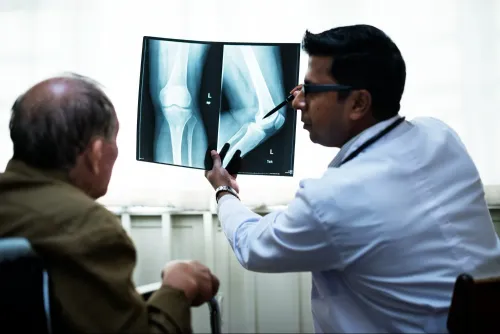
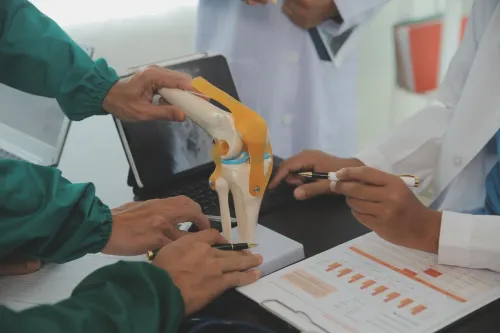
An orthopaedic examination evaluates movement, strength, stability, tenderness, and functional limitations.
X-rays may be useful for bone and joint conditions. Ultrasound or MRI may be considered for certain tendon, ligament, cartilage, or other soft-tissue problems.
Not every patient needs every test.
Can Shoulder and Elbow Problems Be Treated Without Surgery?
Many can.
Depending on the diagnosis, management may involve activity modification, physiotherapy, mobility exercises, progressive strengthening, medication, or selected injections.
The important factor is specificity. Exercises that are helpful for one shoulder condition may be unsuitable at a particular stage of another.
When Might Surgery Enter the Discussion?
Surgery may be considered for selected significant tendon tears, recurrent instability, fractures, certain joint injuries, or other structural conditions when conservative care is insufficient or inappropriate.
Some procedures can be performed arthroscopically, while others require different surgical approaches.
At Leela Health Care Orthopaedic Clinic in Bengaluru, shoulder and elbow symptoms can be assessed according to the patient's diagnosis, occupation, age, activity requirements, and previous treatment.
Do Not Ignore Progressive Loss of Function
Pain intensity is not the only reason to seek assessment. Progressive weakness, increasing stiffness, recurrent instability, or inability to perform previously manageable activities can also be important.
This is particularly relevant for Bengaluru patients whose work involves computers, repetitive upper-limb tasks, manual occupations, or sports.
Early evaluation does not necessarily lead to surgery. In many cases, it provides the opposite benefit: identifying a problem at a stage when a structured conservative programme may still be appropriate.
Keywords