Hip & Shoulder Arthritis: Diagnosis, Non-Surgical Care & Joint Replacement
Unlike the knee, hip and shoulder arthritis involves deep ball-and-socket joints, often manifesting as deep-seated groin pain or restricted overhead reaching. Identifying joint degeneration early helps preserve natural range of motion through focused physiotherapy and joint-sparing treatments.
In-Clinic Clinical Evaluation
Hands-on Joint Check • Digital X-Ray on Site • Clear Care Pathway
Understanding Hip, Shoulder & Joint Arthritis
Orthopaedic pain is often misunderstood. Patients experiencing joint stiffness, catching, or radiating back discomfort frequently fear immediate major surgery. In clinical practice at Leela Health Care, our philosophy is anchored in clear diagnosis, patient education, and exhausting non-surgical therapies before any surgical pathway is contemplated.
What You Feel: Typical Signs & Sensations
Symptoms often start subtly before progressing. Recognizing these early signs helps prevent compensatory strain on adjacent joints.
- Deep groin, buttock, or outer thigh pain that worsens with prolonged walking, standing, or getting out of a vehicle
- Hip stiffness that makes it difficult to bend forward, tie shoelaces, clip toenails, or cross your legs
- Persistent shoulder ache that disrupts restorative sleep, particularly when rolling onto the affected side
- Significant loss of overhead reach, inability to scratch your upper back, or difficulty reaching into back pockets
- Audible catching, clicking, or grating sensation during rotational shoulder or hip movements
- Development of an unconscious limp (antalgic gait) as the body shortens stance time to protect the painful hip
Why It Happens: Joint & Tissue Mechanics
Joint and spine discomfort is rarely caused by a single isolated event; it usually reflects mechanical load, tissue wear, historic trauma, or postural stress.
Primary osteoarthritis resulting in progressive thinning of the protective cartilage lining the ball and socket
Avascular Necrosis (AVN) of the femoral head or humeral head caused by temporary or permanent loss of blood supply to the bone
Prior trauma such as acetabular fractures, shoulder dislocations, or labral tears that alter joint congruency
Femoroacetabular impingement (FAI) or hip dysplasia creating abnormal mechanical friction during everyday movement
Systemic inflammatory arthropathies such as rheumatoid arthritis or ankylosing spondylitis affecting multiple joints
Clinical Diagnosis & Joint Examination at Leela Health Care
Accurate diagnosis requires direct clinical palpation, joint stress testing, and targeted imaging reviewed with you in the consultation room.
Targeted Mobility & Impingement Assessment
Our clinicians evaluate active and passive internal rotation of the hip, flexion contractures, and shoulder abduction angles to identify mechanical impingement and capsular contracture.
Digital Radiography on Site
Standing pelvis and shoulder views performed in our clinic to assess joint space loss, subchondral bone sclerosis, bone spurs, and structural changes in the femoral or humeral head.
High-Field MRI Imaging (When Indicated)
Critical for detecting early-stage Avascular Necrosis (AVN) before bone collapse occurs, as well as evaluating accompanying labral tears or rotator cuff disease.
Conservative-First Care: What You Can Do First
We prioritize non-invasive measures. For most patients, disciplined early care restores function without surgical intervention.
Joint-Specific Physical Rehabilitation
Restoring rotator cuff coordination and scapular rhythm for the shoulder, and gluteal and core stabilization for the hip to offload articulating surfaces.
Ergonomic & Assistive Modifications
Using raised seating, supportive walking aids held in the opposite hand, and modifying overhead athletic or household activities to prevent acute impingement.
Targeted In-Clinic Joint Injections
Carefully placed anti-inflammatory or lubricating injections to provide substantial temporary symptom relief during severe inflammatory flare-ups.
When Conservative Care Is Not Enough
Surgery is never a first choice, but delaying necessary intervention when structural criteria are met can cause secondary damage. Here is when our clinical specialists recommend evaluating surgical options:
Structural Bone Collapse in Avascular Necrosis (AVN)
Loss of the spherical shape of the femoral or humeral head causing severe mechanical locking, bone friction, and rapid joint degradation.
Severe Daily Functional Limitation
Inability to manage basic self-care, personal hygiene, dressing, or short household walks despite diligent non-surgical therapy.
Intractable Night Pain & Rest Discomfort
Chronic deep joint ache that continuously prevents sound sleep and fails to respond to oral analgesics and therapy.
Treatment Pathways at Leela Health Care
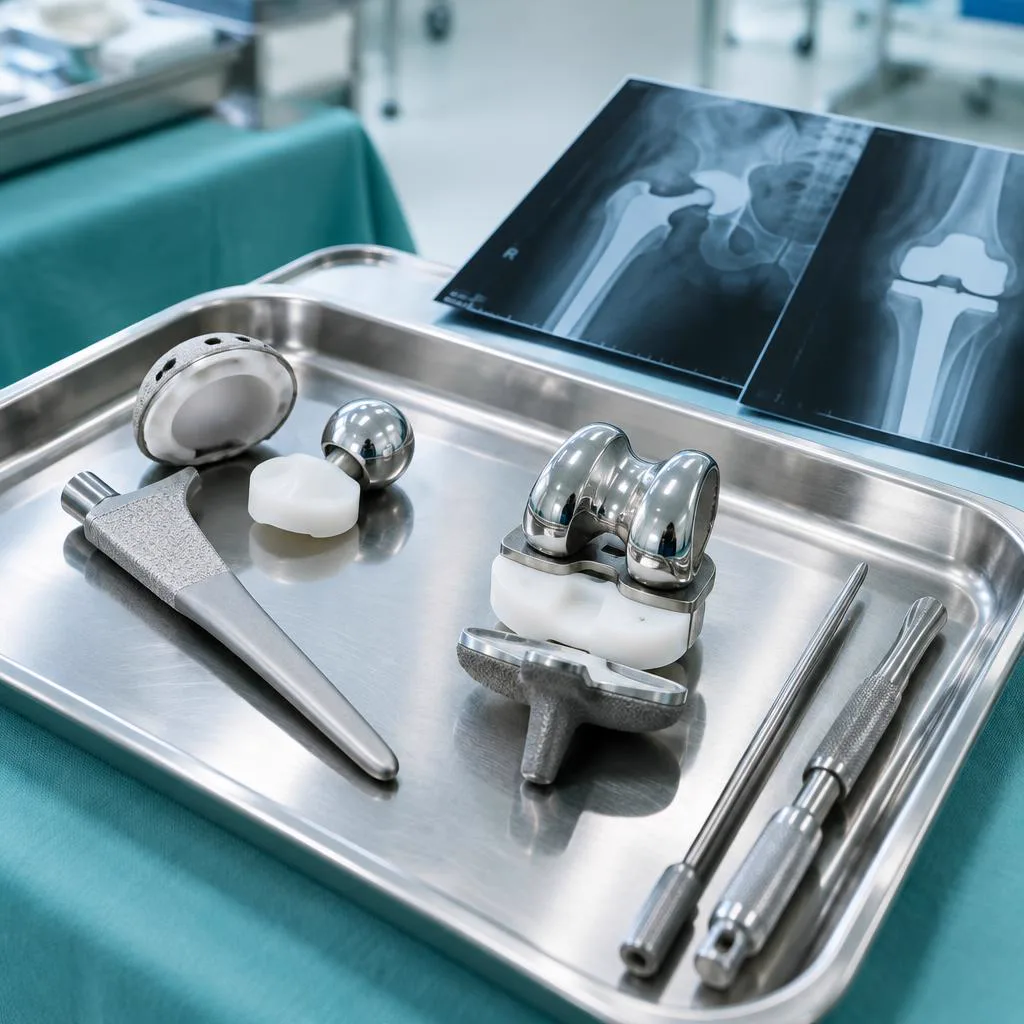
When hip or shoulder stiffness impairs basic daily tasks like putting on socks, fastening clothing, or sleeping through the night, our clinical team focuses on preserving your natural joint mobility. If specialized physical therapy and medical management reach their limit, our surgeons guide you seamlessly into our Joint Replacement Surgery pathway for predictable, long-term functional recovery.
Joint Replacement Surgery
Advanced total hip and shoulder replacement designed to eliminate chronic joint friction, restore smooth ball-and-socket motion, and relieve debilitating groin or shoulder pain.
Common Questions About Hip, Shoulder & Joint Arthritis
Clear, direct answers to what patients frequently ask during their consultation at our Banashankari clinic.
Book an appointment
Fill in your details and Dr. Prajwal's clinic team will confirm your consultation slot by phone or WhatsApp.
Clinic Address
7th Block, 4th Phase, 2/Y 6th Main, 100 Ft Road, opposite Popular Bajaj, Banashankari 3rd Stage, Bangalore 560085
Mon–Sat: 10:00 AM – 9:00 PM · Sunday: Closed