A Doctor's Guide to Meniscus Tears: Saving Cartilage and Stopping Knee Locking
How your knee's shock absorbers work, why some tears catch or lock the joint, and how keyhole repair protects against arthritis.
Your meniscus is irreplaceable shock-absorbing cartilage. Our first priority is always to repair the tear with tiny internal stitches whenever possible, saving your natural cartilage to protect your knee from arthritis.
The Vital Role of Your Knee's Shock Absorbers
Inside each knee sit two crescent-shaped pads of tough, rubbery fibrocartilage called the medial (inner) and lateral (outer) menisci. They act like shock absorbers between your thigh and shin bones, spreading out the heavy impact of every step, run, or jump across the entire joint.
Without a functioning meniscus, your body weight concentrates onto a tiny point of articular cartilage. Over time, that concentrated pressure rubs the cartilage down to bare bone. This is why preserving your natural meniscus is one of the most important goals in modern sports medicine.
Why Tears Cause Knee Locking and Pain
Meniscus tears happen in two main ways: in younger, active people, a sudden twist while the knee is bent can rip the cartilage; in middle-aged and older adults, cartilage gradually weakens and can tear during a simple squat or turn.
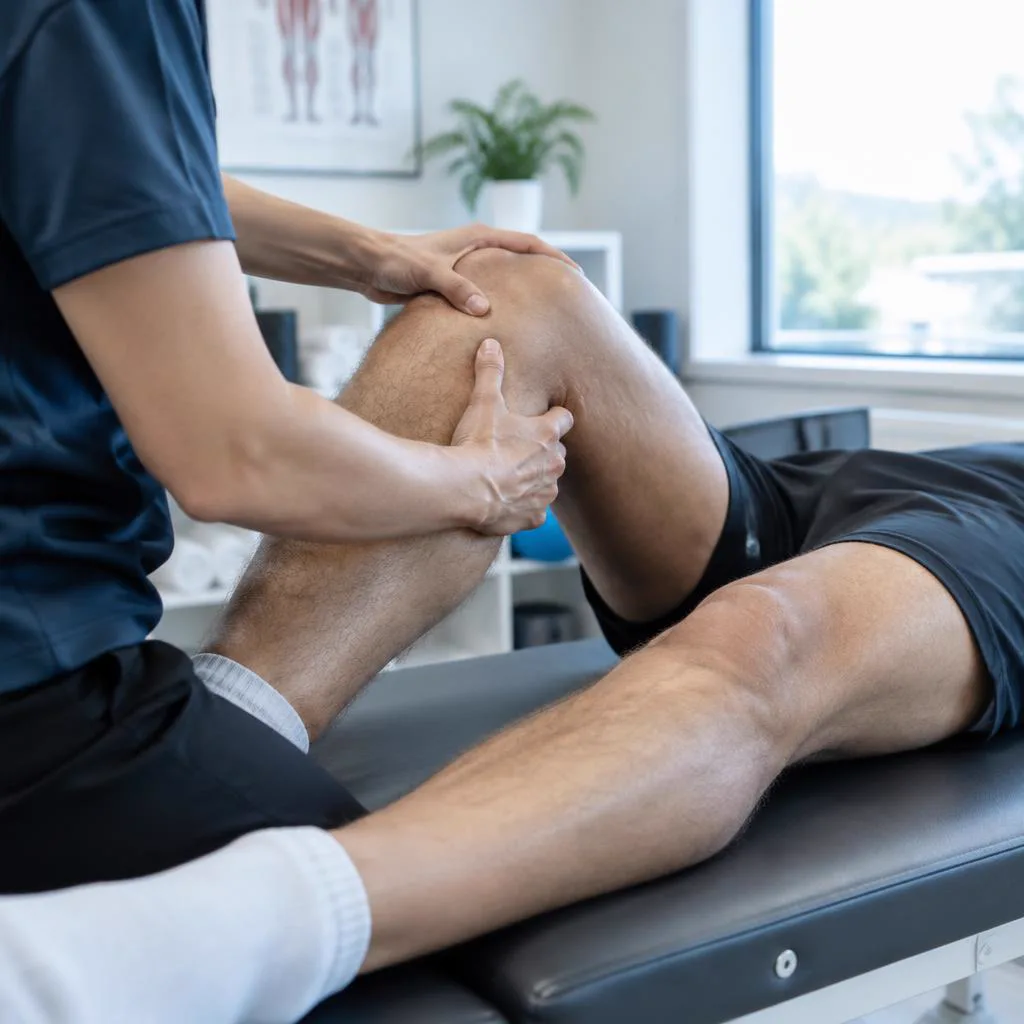
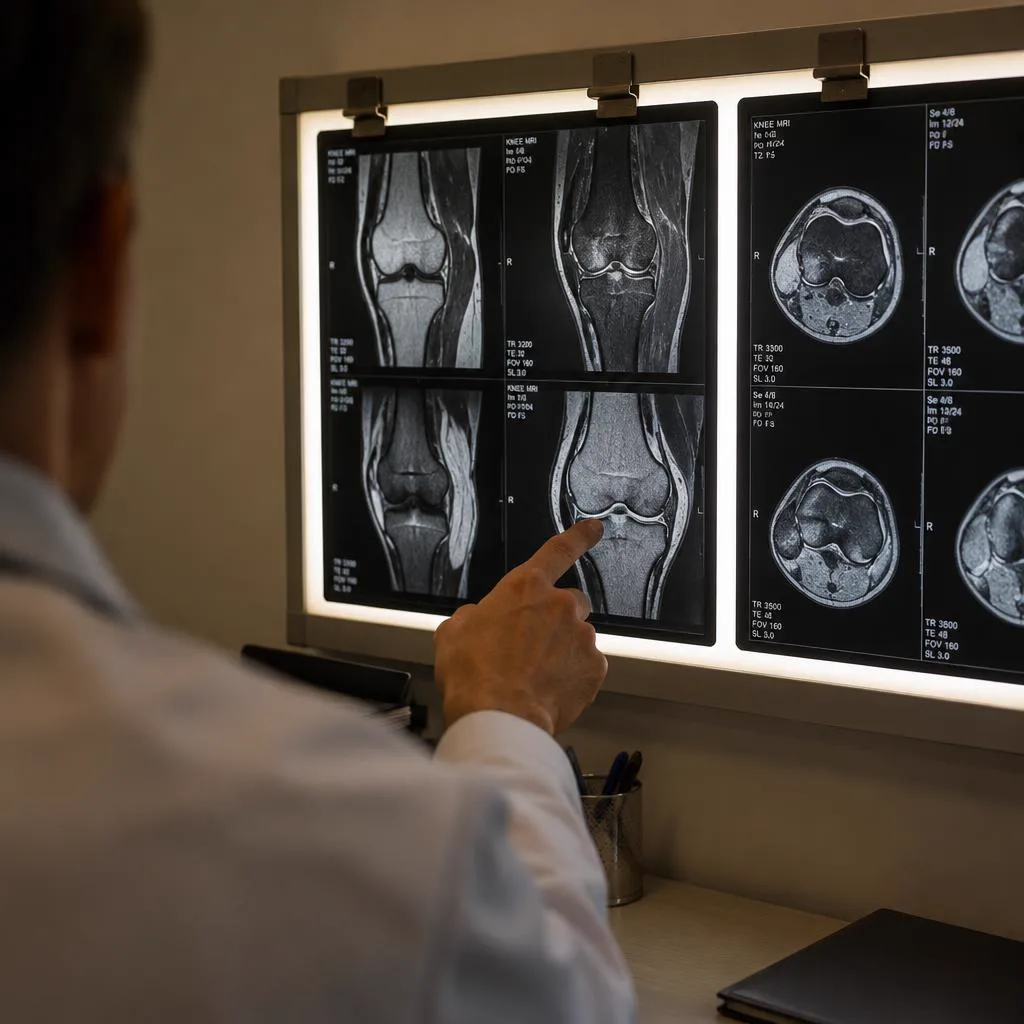
When a torn flap of cartilage flips into the joint space (called a bucket-handle tear), it acts like a doorstop jamming a hinge. The knee physically locks and cannot be straightened out. Even small tears can cause sharp pain along the joint line, delayed swelling after activity, and uncomfortable clicking sensations.
Repair vs. Trimming: Why Saving Cartilage Matters
Decades ago, surgeons routinely removed the entire torn meniscus. Today, we know that removing it dramatically speeds up knee arthritis. Dr. Prajwal's clinical philosophy is to save every millimeter of healthy cartilage.
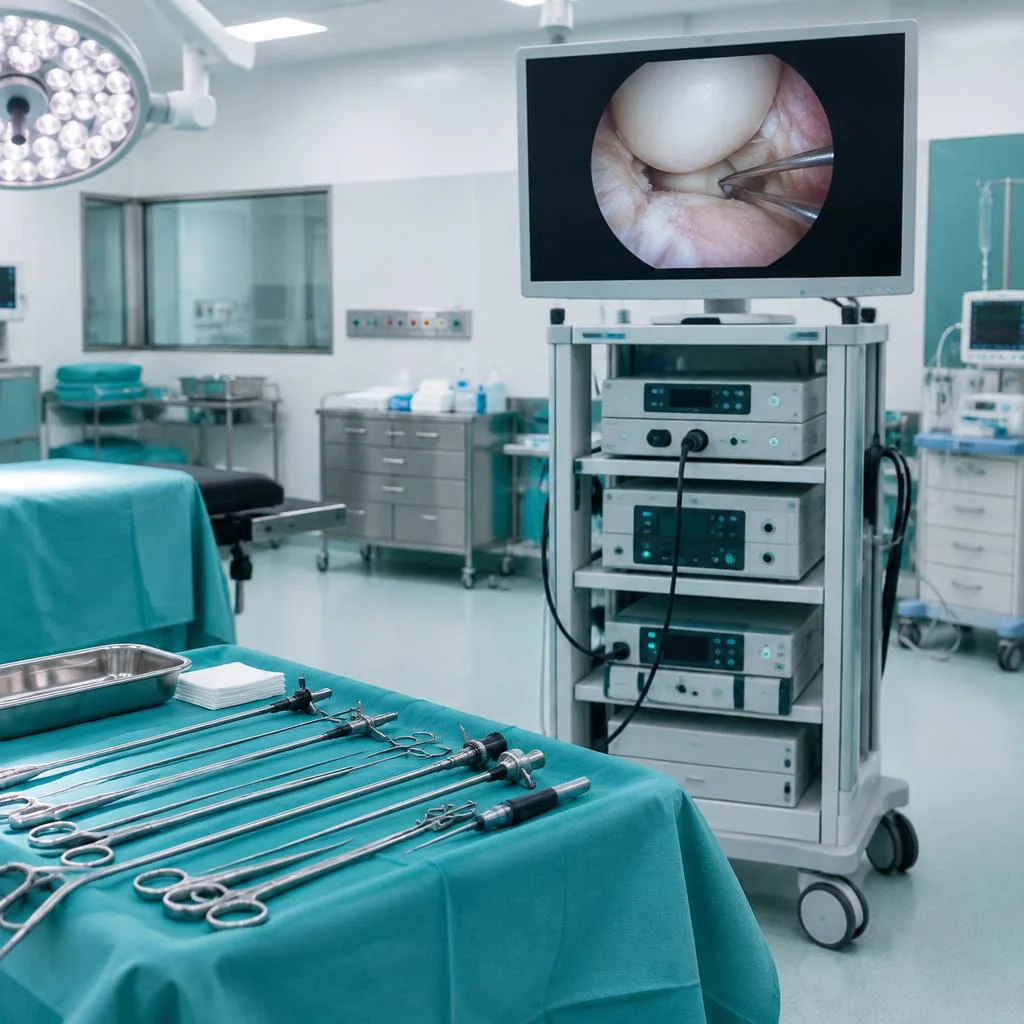
If the tear is located in the outer 'red zone' where blood vessels are present, we use specialized all-inside suture anchors to stitch the edges back together so it heals naturally. If the tear is in the inner 'white zone' where blood supply is lacking, we perform a partial meniscectomy, trimming only the unstable frayed 5 to 10% while leaving the rest of the shock absorber intact.
What Recovery Looks Like
Patients who undergo partial trimming walk out of the clinic on the same day with full weight-bearing, resuming normal desk work within a week and running by 4 to 6 weeks.
Patients who have their meniscus repaired with stitches protect the healing cartilage by using crutches and a hinged knee brace for 4 to 6 weeks. While recovery requires patience, keeping your natural cartilage protects your joint for decades to come.