A Doctor's Guide to Knee Replacement: What Happens, When It Helps, and What to Expect
A clear, realistic look at severe knee arthritis, how modern joint resurfacing works, and why surgery is never the first step.
A knee replacement does not mean cutting away your knee joint. It is a precise resurfacing procedure that replaces only the worn cartilage layer with smooth, durable caps so bone no longer rubs against bone.
Understanding How Severe Knee Arthritis Develops
In a healthy knee, the ends of your thigh bone (femur) and shin bone (tibia) are covered by a smooth 3 to 4 millimeter layer of articular cartilage. This cartilage acts as a natural shock absorber, allowing bones to glide smoothly past each other without friction. Over years of wear, previous ligament or meniscus injuries, or progressive osteoarthritis, this protective surface gradually thins, frays, and breaks down.
When the cartilage wears away completely, the underlying bone surfaces grind directly against each other. This friction creates chronic inflammation, swelling, and sharp pain whenever you take a step. Over time, the body responds by growing small bone spurs (osteophytes), causing the joint to become stiff, enlarged, and difficult to bend or straighten.
Why Many Patients Wait Too Long and How It Affects the Body
Many patients in South Bangalore live with severe knee pain for months or even years before visiting a specialist. Often, they delay because they fear an operation or assume joint pain is an inevitable part of aging. To cope, they start avoiding stairs, walking less, and relying on daily pain tablets that can cause stomach irritation or kidney strain.
Unfortunately, delaying care often creates problems elsewhere in the body. Walking with a limp shifts uneven weight onto your opposite knee, hips, and lower back, frequently causing secondary back spasms. Meanwhile, thigh muscles (quadriceps) weaken from lack of use, which makes the knee feel even more unstable when walking.
How Modern Knee Resurfacing Actually Works
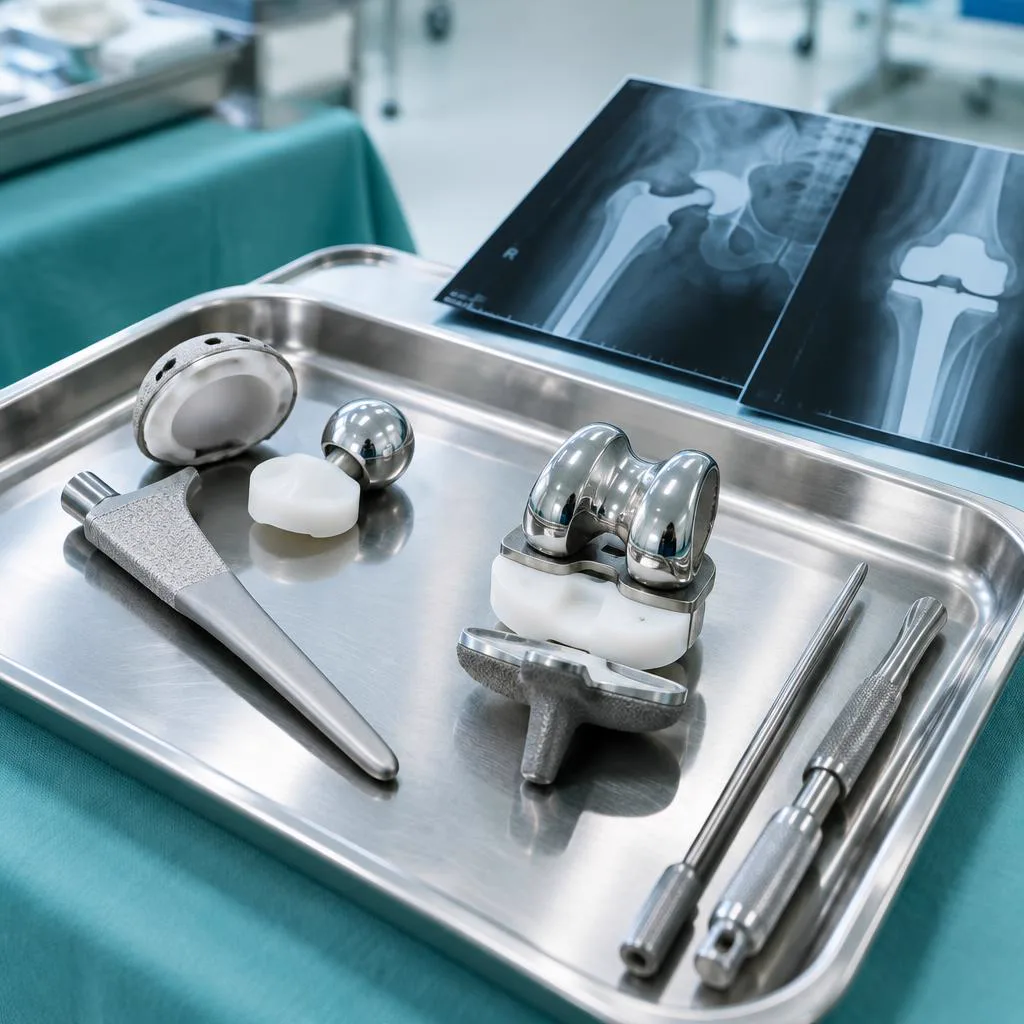
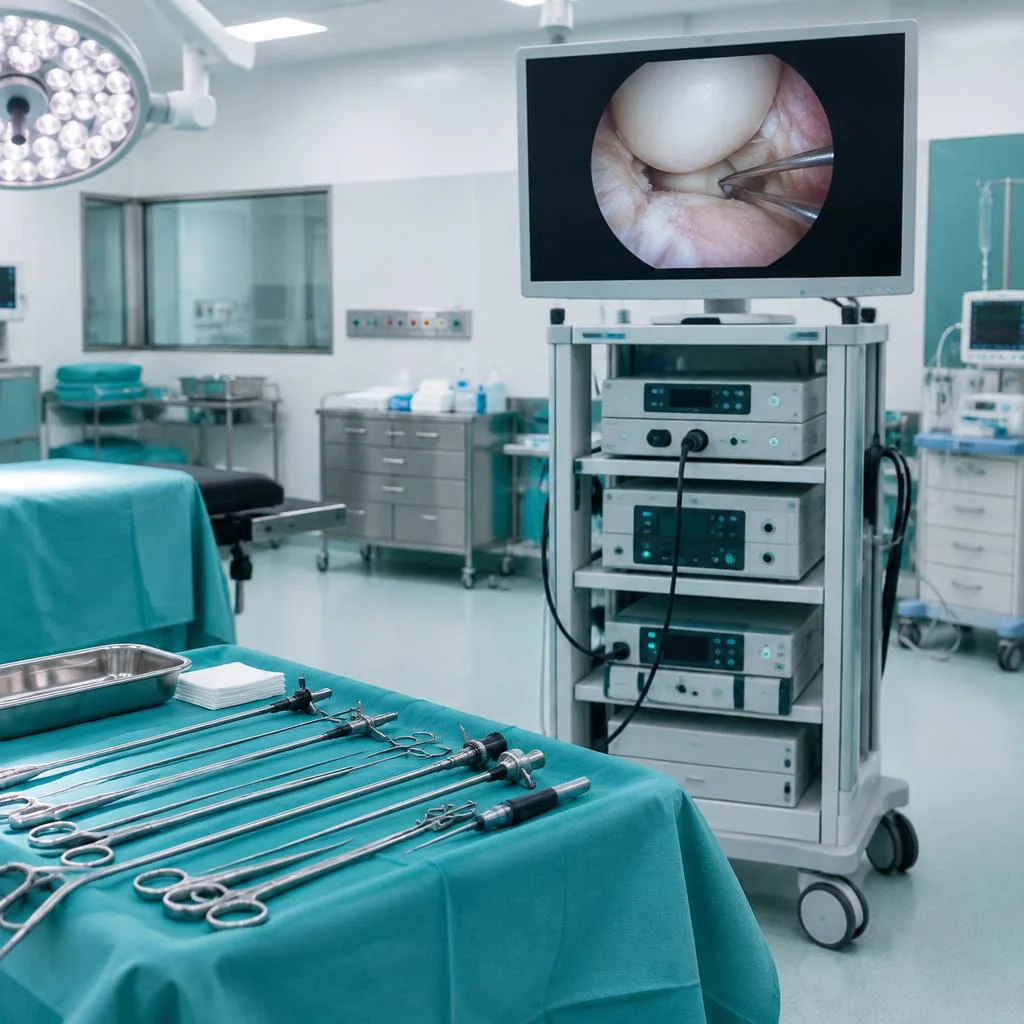
One of the most common misunderstandings about knee replacement is that the entire knee is cut away. In modern orthopaedics, the procedure is actually a resurfacing. Using precise instruments, Dr. Prajwal removes only the damaged 8 to 9 millimeters of worn bone and cartilage, preserving healthy bone and supporting ligaments.
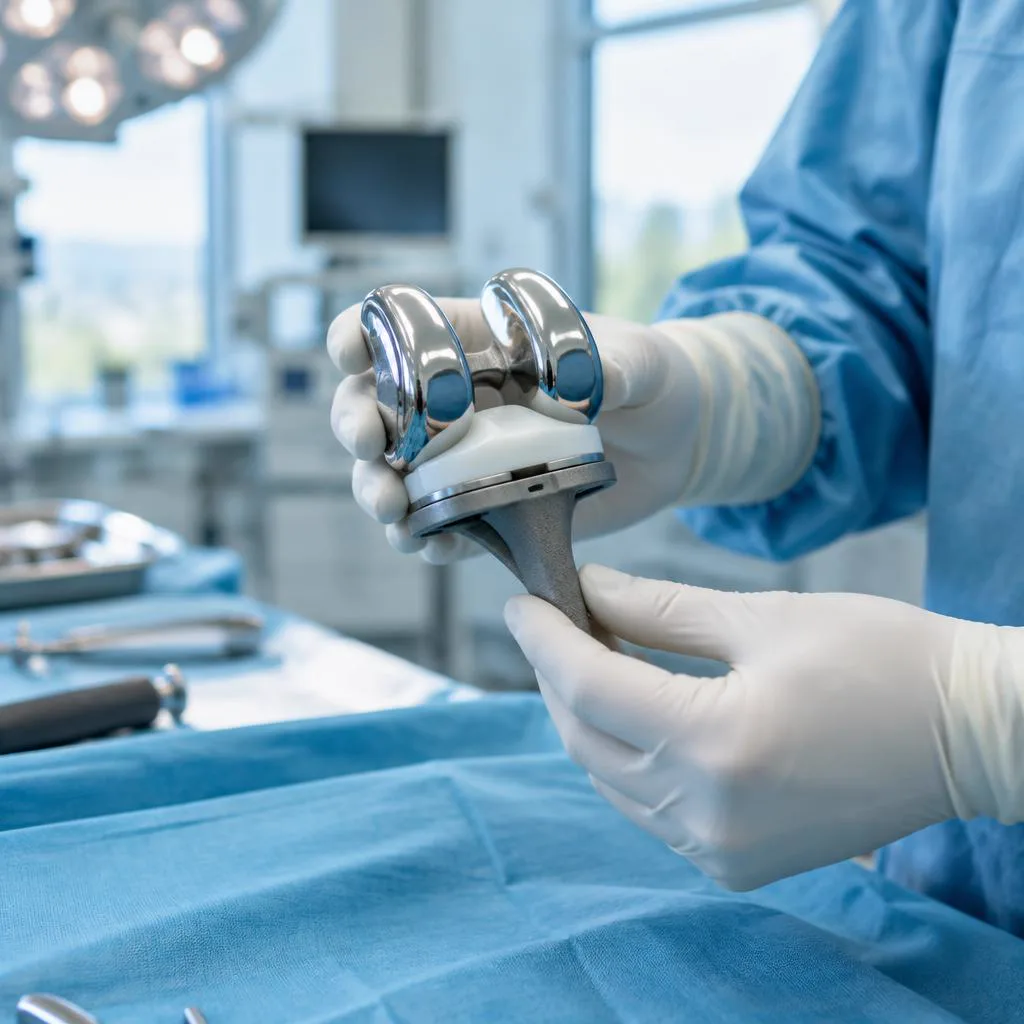
The prepared bone ends are capped with smooth, biocompatible cobalt-chromium and titanium alloy shields. Between these shields sits a specialized medical-grade polyethylene cushion that takes over the job of natural cartilage. Because the new surfaces glide with zero friction, the chronic grinding pain is eliminated.
What Everyday Life Looks Like After Healing
Within weeks of surgery and structured home physiotherapy, patients notice that the deep, aching arthritic pain that kept them awake at night has disappeared. What remains is ordinary post-surgical soreness that steadily fades as muscles regain strength.
Most individuals walk comfortably without a cane by 4 to 6 weeks, climb stairs using handrails, and resume driving, errands, and temple visits. Modern implants are engineered to last 20 to 25 years or more, giving you back your mobility and independence for the long term.