Skip to content

ACL Ligament Reconstruction in Banashankari, Bangalore

The Anterior Cruciate Ligament (ACL) is the primary stabilizer preventing your tibia from sliding forward or pivoting out of place. When an ACL ruptures during a sports twist or sudden deceleration, keyhole arthroscopic reconstruction rebuilds the ligament using a natural tendon graft to restore rotational joint stability and protect long-term knee cartilage.

Non-surgical care first•100 Feet Rd, Banashankari
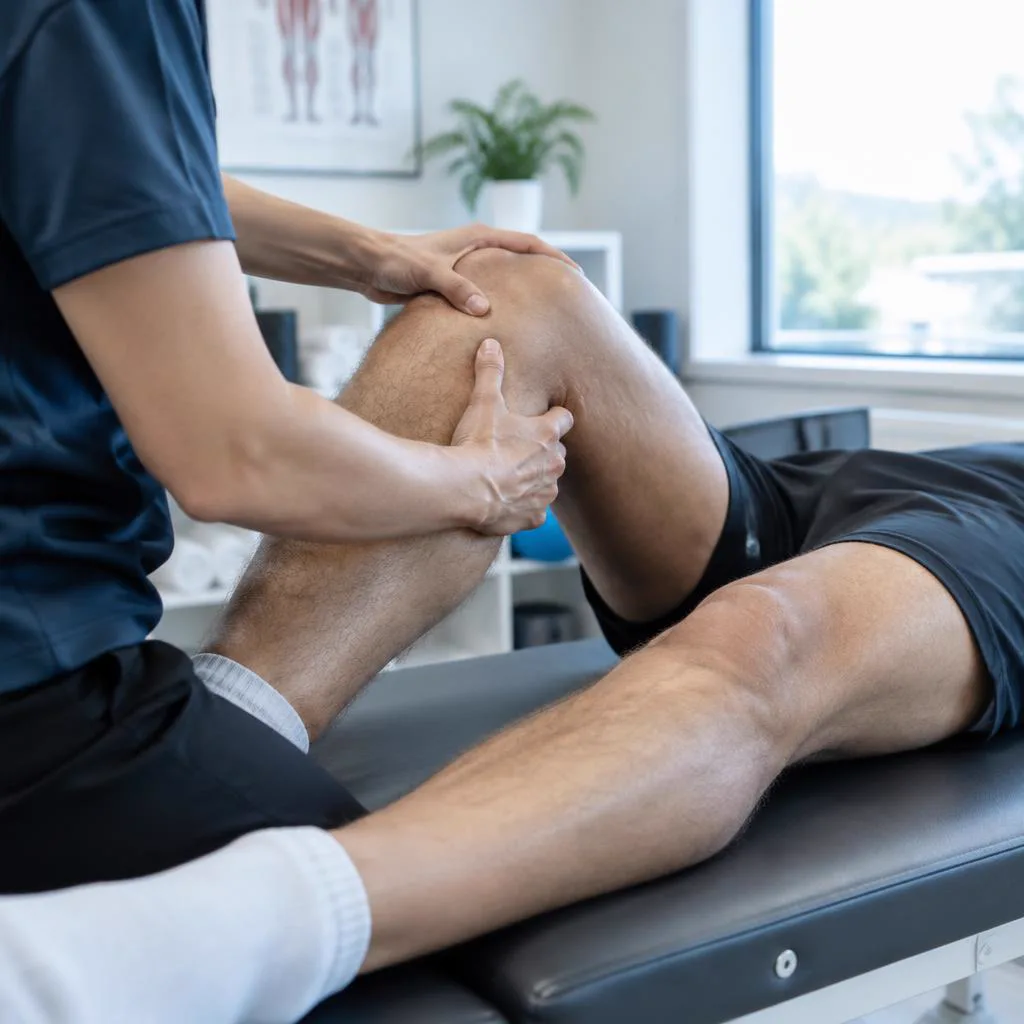
Orthopaedic sports rehabilitation specialist assessing knee joint stability for ACL reconstruction at Leela Health Care Bangalore

In-Clinic Evaluation

Joint examination • Scan review on screen • Clear treatment plan

OVERVIEW

A Doctor's Guide to ACL Tears: Stability, Healing, and Return to Sports

What happens when your ACL tears, why some knees buckle, and how keyhole reconstruction rebuilds knee stability.

An ACL reconstruction uses a small tendon graft from your own leg to rebuild your torn knee ligament through tiny keyhole openings, giving you back rotational stability and protecting your knee cartilage.

The Anatomy of an ACL Tear and Why the Knee Gives Way

The Anterior Cruciate Ligament (ACL) is a tough, diagonal cord running through the center of your knee joint. Its primary job is to act as a rotational seatbelt, preventing the shin bone from sliding too far forward or twisting out of control when you pivot, decelerate, or change direction.

When the ACL tears (usually during a sudden twist in football, cricket, or badminton), patients typically hear or feel a loud 'pop,' followed by immediate swelling within hours. Without an intact ACL, the knee loses its rotational anchor. Walking straight may feel fine, but the moment you turn or step on uneven ground, the knee suddenly buckles or gives way.

Why a Torn ACL Cannot Heal on Its Own

Unlike ligaments on the outside of the knee (like the MCL) which have a good blood supply and can heal with a brace, the ACL sits completely inside the joint bathed in synovial fluid. When it tears, the joint fluid washes away the healing blood clot before it can knit the ends back together.

While low-demand individuals can sometimes manage without surgery by strengthening their thigh muscles, active people who continue sports without an ACL risk repeated buckling episodes. Each time the knee gives way, the shock-absorbing meniscus cartilage and articular surfaces get crushed between the bones, leading to early osteoarthritis.

How Keyhole Reconstruction Rebuilds the Ligament

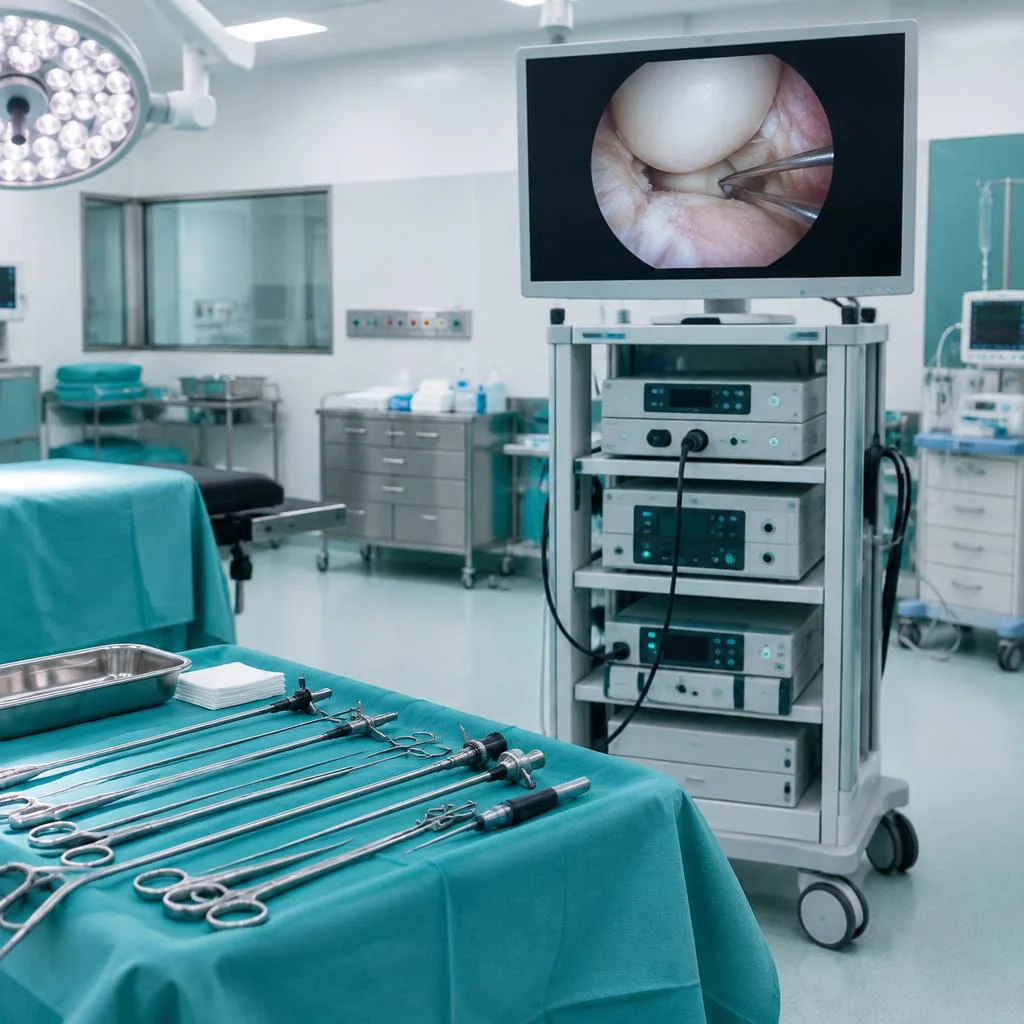
Dr. Prajwal performs ACL reconstruction entirely through small 4mm keyhole portals using a miniature 4K camera. A small tendon graft (usually from your hamstring muscles) is harvested through a small 2cm cosmetic incision and prepared into a strong, four-strand replacement ligament.

The graft is threaded through precision tunnels drilled in the exact anatomical footprint where your original ACL was attached. It is secured rigidly at both ends with a titanium button and bioabsorbable screw, providing immediate mechanical stability while your body incorporates the graft as living tissue.

The True Timeline for Safe Return to Sports

While your knee will feel stable and pain-free by month 3 or 4, biological healing takes longer. The tendon graft must undergo 'ligamentization', developing its own blood vessels and nerve fibers to withstand maximum athletic twisting.

Returning to competitive pivoting sports like badminton, football, or cricket safely takes 8 to 9 months. Our clinic guides you through objective strength testing and agility drills so you step back onto the field with full confidence and zero fear of re-injury.
TREATMENT OPTIONS

Non-Surgical Care First — Surgery Only When Needed

We start by exploring every way to relieve your pain without an operation — through exercise, physical therapy, and medication. Surgery is only considered when those options stop helping and you need lasting relief to get your life back.

Non-Surgical Treatments First

Non-Operative Care & Pre-Habilitation

Not all ACL tears require immediate surgery. We assess functional knee stability and patient lifestyle demands.

  • Partial tears where rotational pivot testing demonstrates a stable joint endpoint
  • Sedentary individuals with low activity demands who do not experience giving way
  • Structured 'Pre-hab' to resolve swelling, restore full extension, and strengthen quads before any planned surgery
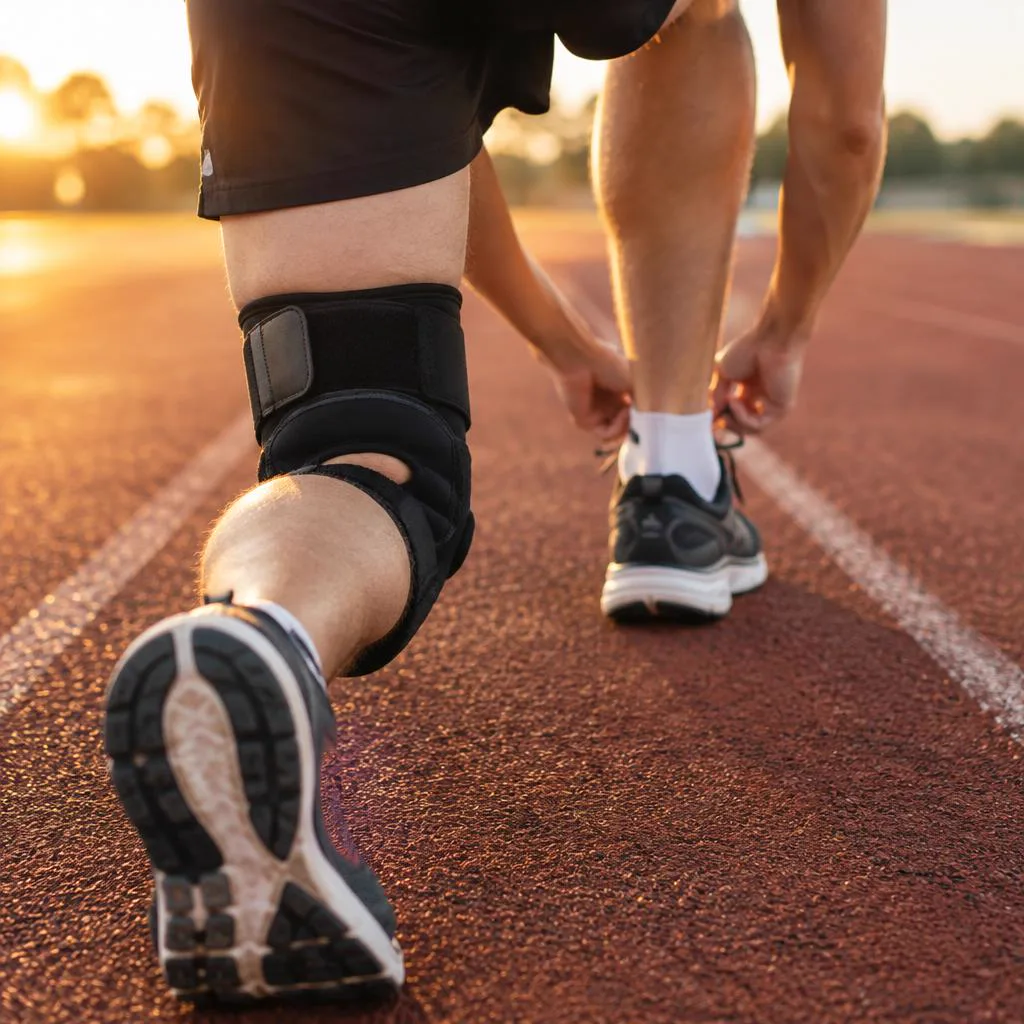
  • Functional stabilizing knee bracing for low-demand daily activities
Our approach: We review your progress after 4 to 6 weeks of physiotherapy and medical care. We only discuss surgery if your joint is not improving.
When Surgery is the Right Choice

When ACL Reconstruction is Recommended

Surgery is advised when instability compromises daily life or risks secondary cartilage destruction.

  • Complete full-thickness ACL tear in active individuals or sports participants
  • Recurrent episodes of the knee giving way during normal walking or turning
  • Combined injuries: ACL tear with a repairable meniscus tear or collateral ligament injury
  • Desire to safely return to high-pivot sports such as badminton, football, or cricket
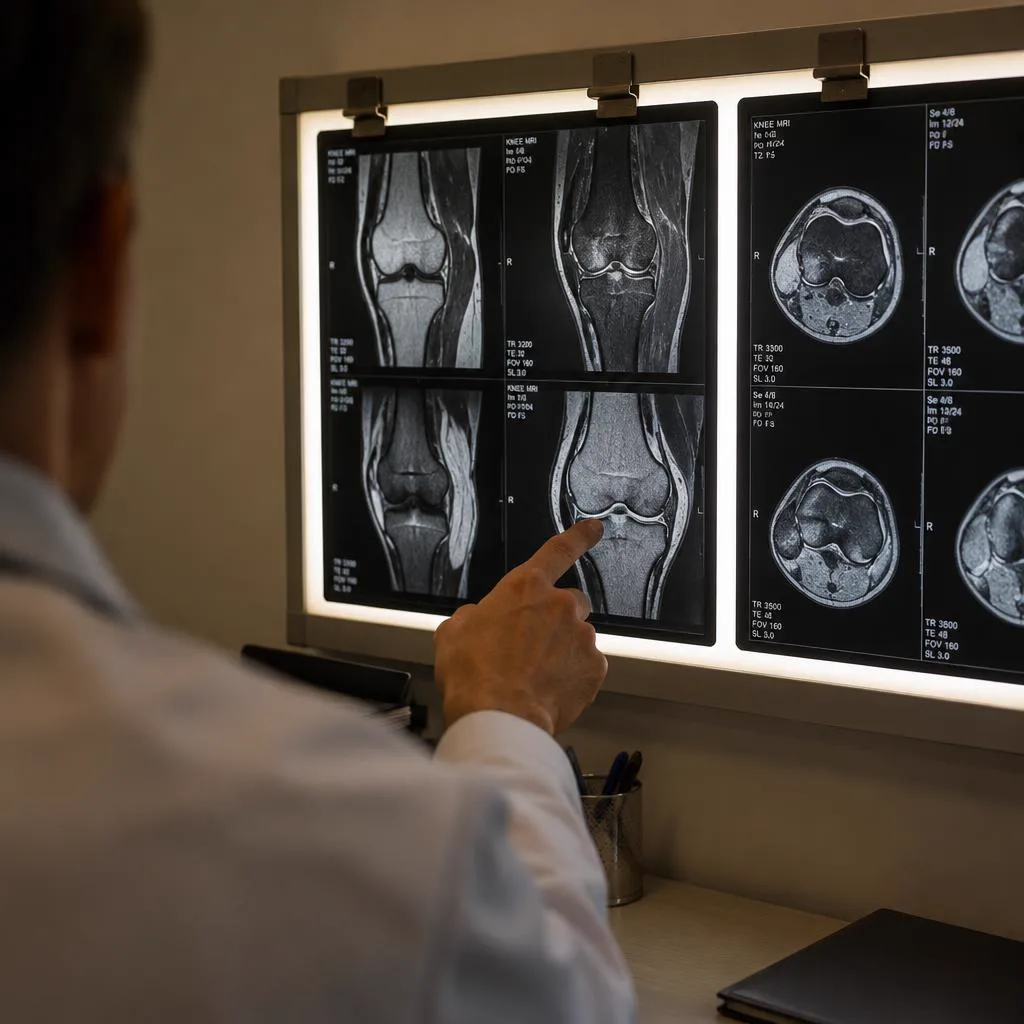
Clear explanation: Dr. Prajwal sits down with you, walks you through your X-rays or MRI scans on the clinic screen, and explains exactly what is happening in your joint.
WHAT WE TREAT

Common Conditions Treated by this Procedure

This treatment specifically helps relieve pain, stiffness, or joint catching caused by these conditions.

ACL & Knee Ligament Tears

Complete or high-grade tear resulting in rotational instability, joint giving way, and risk of cartilage damage.

Meniscus Cartilage Tears

Co-existing meniscus tear sustained during the pivot injury, repaired simultaneously during the arthroscopic procedure.

Sports Injuries

Twisting sports injuries requiring keyhole ligament reconstruction and a clear plan to safely return to sports.

HOW IT IS DONE

Anatomical Arthroscopic Technique & Rigid Fixation

Dr. Prajwal K N performs anatomical ACL reconstruction through 4mm keyhole portals. By positioning the graft precisely in the natural ACL footprint, rotational stability is fully restored.

Autologous Hamstring Graft

A small, four-strand semitendinosus graft harvested through a 2cm cosmetic incision, providing exceptional tensile strength and biological incorporation.

Anatomical Footprint Placement

Independent femoral tunnel drilling to replicate the native ligament's orientation, restoring rotational pivot resistance.

Rigid Dual Fixation

Cortical suspensory button fixation on the femur and bioabsorbable interference screw on the tibia for immediate mechanical stability.

RECOVERY TIME

What Your Recovery Typically Looks Like

A clear, realistic progression — from taking your first steps after treatment to returning to work, family life, and sports.

Phase 1: Weeks 0 – 2

Swelling Control & Quadriceps Activation

Weight-bearing with crutches and a hinged knee brace. Focus on achieving full passive knee extension and firing the quadriceps muscle.

Target Milestone

Zero-degree full knee extension and active straight leg raise

Phase 2: Weeks 2 – 6

Range of Motion & Gait Normalization

Progressing to full knee bend (120°+), discontinuing crutches once walking without a limp, and initiating stationary cycling.

Target Milestone

Normal walking gait without crutches and full flexion

Phase 3: Weeks 6 – 16

Strength & Resistance Training

Closed kinetic chain exercises, leg press, squats, and balance/proprioception drills to rebuild muscle symmetry.

Target Milestone

Quad strength reaching 80%+ of the uninjured limb

Phase 4: Months 6 – 9

Agility & Return to Sports

Straight-line jogging (month 4–5), followed by sport-specific pivoting drills, cutting, and objective functional clearance tests.

Target Milestone

Passing return-to-sport testing and competitive play clearance

WHAT TO EXPECT

What to Expect at Your Appointment in Banashankari

Consultations at our 100 Feet Road clinic are unhurried and clear. Dr. Prajwal listens to your symptoms, examines your joint, and gives you honest advice with zero pressure.

Hands-on Joint & Movement Check

Dr. Prajwal personally checks your joint range, ligament strength, tenderness, and how you walk.

Reviewing Your Scans Together

We review your X-rays or MRI scans on the clinic screen, showing you clearly what is causing your discomfort.

A Clear, Practical Treatment Plan

You receive a clear breakdown of non-surgical options, exercises, recovery timelines, and clear next steps.

COMMON QUESTIONS

Frequently Asked Questions About ACL Ligament Reconstruction

Direct answers to the practical questions patients and their families ask Dr. Prajwal before deciding on care.

Book an appointment

Fill in your details and Dr. Prajwal's clinic team will confirm your consultation slot by phone or WhatsApp.

Prefer to call? 080 4803 4373

Your details are sent directly to the clinic over WhatsApp; nothing is stored on this website. The clinic will confirm your slot by phone.

Clinic Address

7th Block, 4th Phase, 2/Y 6th Main, 100 Ft Road, opposite Popular Bajaj, Banashankari 3rd Stage, Bangalore 560085

Mon–Sat: 10:00 AM – 9:00 PM · Sunday: Closed

Orthopaedic sports rehabilitation specialist assessing knee joint stability for ACL reconstruction at Leela Health Care Bangalore