Skip to content

Arthroscopy & Keyhole Surgery in Banashankari, Bangalore

Arthroscopy is a precision surgical technique where a high-definition miniature camera (arthroscope) and specialized instruments are introduced through 4mm portal incisions. This allows direct 4K visualization and treatment of internal joint pathologies (ligament tears, cartilage flaps, and impingements) without cutting through healthy muscles or opening the joint.

Non-surgical care first•100 Feet Rd, Banashankari
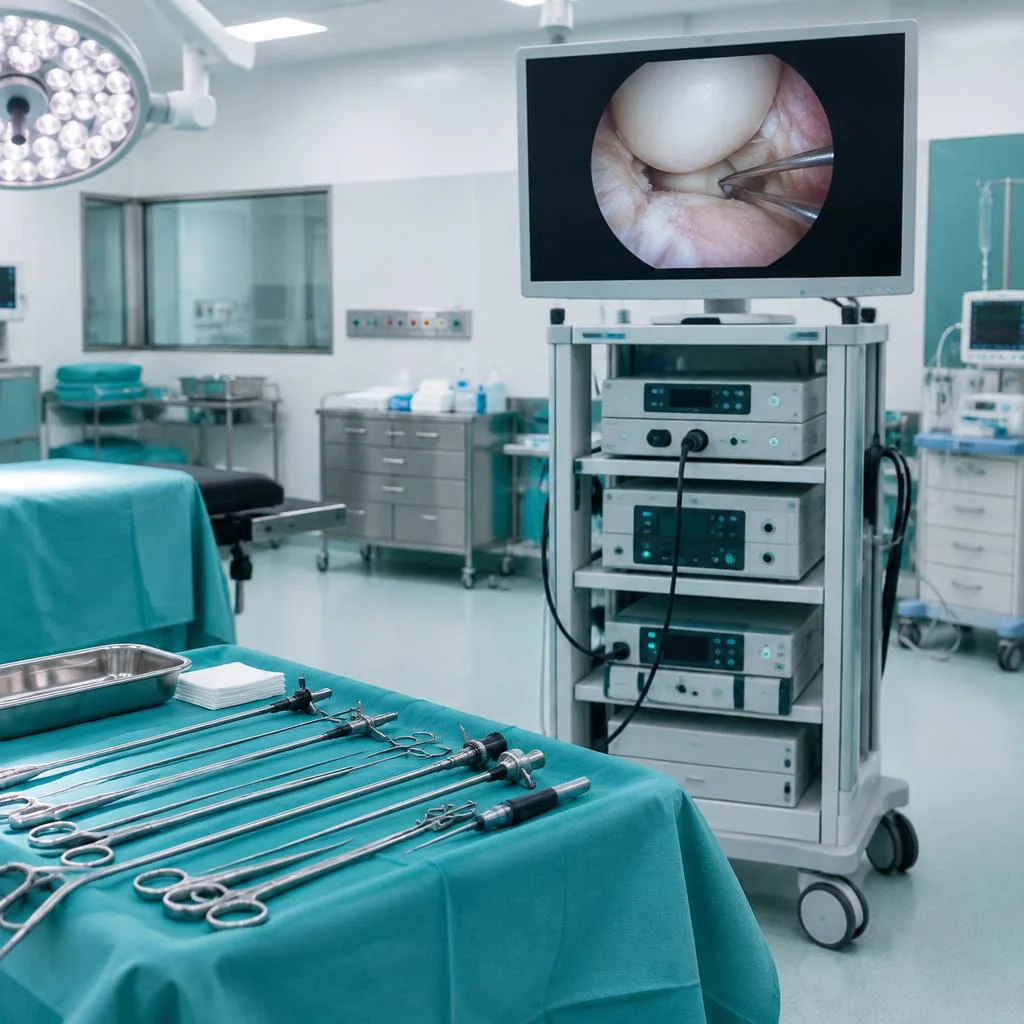
Minimally invasive keyhole arthroscopy tower and precision endoscopic instruments at Leela Health Care

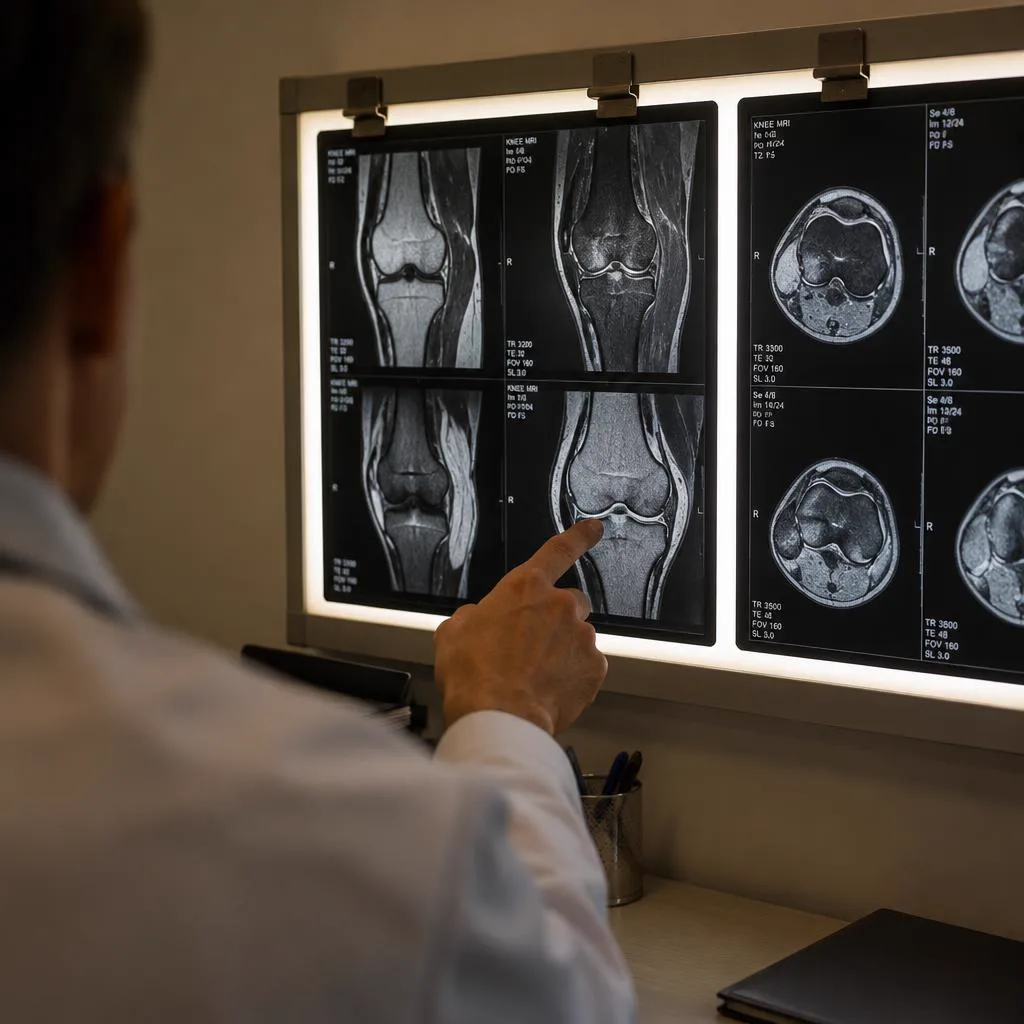
In-Clinic Evaluation

Joint examination • Scan review on screen • Clear treatment plan

OVERVIEW

A Doctor's Guide to Arthroscopy: Precision Keyhole Surgery for Knee and Shoulder

How miniature cameras and 4mm incisions allow thorough joint inspection and repair with minimal discomfort and fast healing.

Keyhole arthroscopy avoids large open cuts. Dr. Prajwal examines and fixes your joint using high-definition 4K cameras through 4mm openings, resulting in minimal pain, negligible blood loss, and rapid return to everyday life.

How Keyhole Arthroscopy Transformed Joint Surgery

Traditionally, operating on an injured joint required making large incisions through skin, capsules, and muscle to look inside. This resulted in significant post-operative pain, weeks of muscle weakness, and noticeable scars.

Keyhole arthroscopy completely transformed this approach. By making two or three tiny punctures measuring only 4 to 5 millimeters each, Dr. Prajwal inserts a pencil-thin camera illuminated by fiber-optic light. The entire inside of your joint is displayed on a high-definition 4K medical monitor at several times magnification.

Direct Visualization: Finding What Scans Sometimes Miss

While MRI scans are invaluable diagnostic tools, they are static pictures taken while you lie still. During diagnostic arthroscopy, Dr. Prajwal uses a specialized blunt probe to physically touch, palpate, and test the tension of every ligament, cartilage surface, and tendon in real time.

This allows us to identify hidden cartilage softening, unstable flaps, or small loose fragments of bone that cause persistent joint catching but may not have appeared clearly on an MRI. Any problem found can usually be treated during the same procedure.

Precision Tools: Radiofrequency and Miniature Instruments

Through a second tiny portal, specialized miniature instruments (micro-graspers, scissors, motorized shavers, and radiofrequency plasma wands) are introduced. Radiofrequency energy allows us to smooth ragged cartilage edges and seal tiny blood vessels cleanly with zero heat damage to surrounding bone.

Because healthy muscles and tendons are never cut, post-operative pain is minimal. Patients require only mild pain relief and do not experience the muscle atrophy associated with open surgery.

Daycare Recovery and Healing

The vast majority of arthroscopic procedures are performed as daycare surgeries. You arrive at the hospital in the morning, undergo the keyhole procedure under gentle regional anesthesia, rest comfortably in the recovery suite, and return home the same evening.

The tiny portal punctures are closed with small adhesive strips or single fine stitches that heal with minimal cosmetic marks. Most patients resume sedentary office work and driving within 7 to 10 days.
TREATMENT OPTIONS

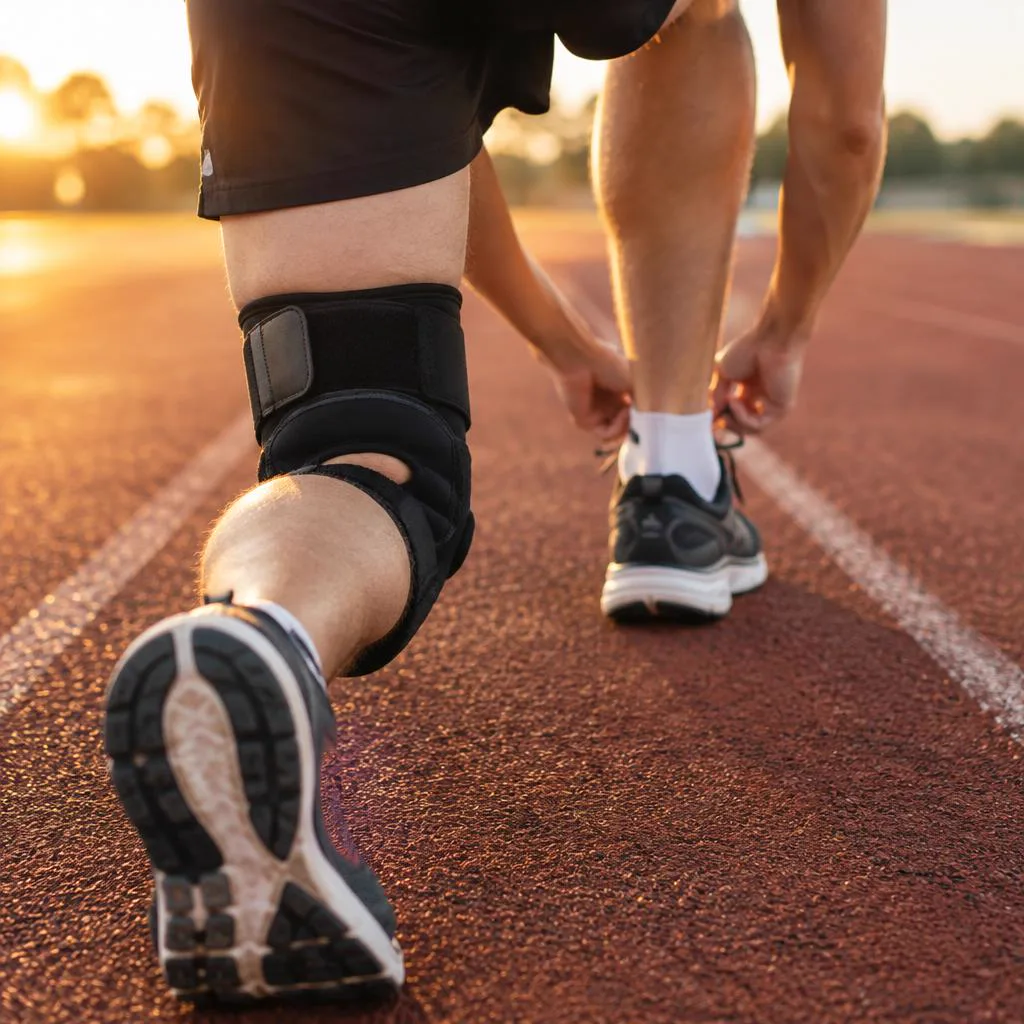
Non-Surgical Care First — Surgery Only When Needed

We start by exploring every way to relieve your pain without an operation — through exercise, physical therapy, and medication. Surgery is only considered when those options stop helping and you need lasting relief to get your life back.

Non-Surgical Treatments First

When Non-Operative Care is Appropriate

Many acute joint complaints settle with structured medical care and guided rehabilitation before surgery is considered.

  • Acute joint sprains without mechanical locking or high-grade structural tears
  • Guided physiotherapy restoring rotator cuff or quadriceps neuromuscular balance
  • Targeted ultrasound-guided joint injections for bursitis or localized synovitis
  • Activity modification and rest allowing early soft-tissue inflammation to subside
Our approach: We review your progress after 4 to 6 weeks of physiotherapy and medical care. We only discuss surgery if your joint is not improving.
When Surgery is the Right Choice

When Arthroscopic Surgery is Indicated

Keyhole surgery is recommended when mechanical derangements require direct surgical repair.

  • Symptoms persisting past 6 to 8 weeks with structural tears confirmed on MRI
  • Mechanical locking or loose bone/cartilage fragments floating inside the joint
  • Shoulder rotator cuff tears causing weakness and inability to lift the arm
  • Recurrent shoulder dislocations or knee instability compromising daily safety
Clear explanation: Dr. Prajwal sits down with you, walks you through your X-rays or MRI scans on the clinic screen, and explains exactly what is happening in your joint.
WHAT WE TREAT

Common Conditions Treated by this Procedure

This treatment specifically helps relieve pain, stiffness, or joint catching caused by these conditions.

Joint Locking & Instability

Persistent mechanical catching, loose fragments, or joint swelling that requires direct keyhole evaluation and removal.

ACL & Ligament Tears

Keyhole reconstruction of ruptured cruciate ligaments to restore rotational stability.

Meniscus (Cartilage) Tears

Repairing or trimming shock-absorbing knee cartilage through tiny 4mm portals.

HOW IT IS DONE

Minimally Invasive Joint Preservation

By avoiding large open incisions, arthroscopy preserves surrounding joint capsules, ligaments, and muscle fibers, resulting in significantly less postoperative pain and faster return to work.

4K High-Definition Visualization

Magnified, illuminated view of intra-articular structures for pinpoint treatment of cartilage fissures, labral tears, and bone spurs.

Radiofrequency Soft-Tissue Contouring

Controlled plasma radiofrequency wands that smooth ragged cartilage edges and seal bleeding vessels with zero thermal damage to adjacent bone.

Daycare Procedure & Rapid Discharge

Performed under modern regional anesthesia allowing most patients to comfortably return home within 6 to 12 hours.

RECOVERY TIME

What Your Recovery Typically Looks Like

A clear, realistic progression — from taking your first steps after treatment to returning to work, family life, and sports.

Phase 1: Days 1 – 3

Cold Therapy & Elevation

Portal dressing kept dry, cold pack compression to minimize joint swelling, and early gentle ankle pumps and quadriceps/deltoid firing.

Target Milestone

Comfortable home resting and minimal wound discomfort

Phase 2: Weeks 1 – 2

Portal Inspection & Gentle Range

Tiny portal stitches or adhesive strips reviewed at day 10–12. Early passive and active-assisted range of motion drills initiated.

Target Milestone

Discontinuing oral pain medications and healing portal wounds

Phase 3: Weeks 3 – 6

Progressive Strengthening

Tailored physiotherapy focusing on joint stability, rotational control, and endurance without overloading healing tissues.

Target Milestone

Resumption of driving and normal desk work

Phase 4: Month 2 – 3+

Full Functional Recovery

Gradual return to running, gym workouts, swimming, and non-contact recreational sports with full joint confidence.

Target Milestone

Restoration of full joint range and return to sports

WHAT TO EXPECT

What to Expect at Your Appointment in Banashankari

Consultations at our 100 Feet Road clinic are unhurried and clear. Dr. Prajwal listens to your symptoms, examines your joint, and gives you honest advice with zero pressure.

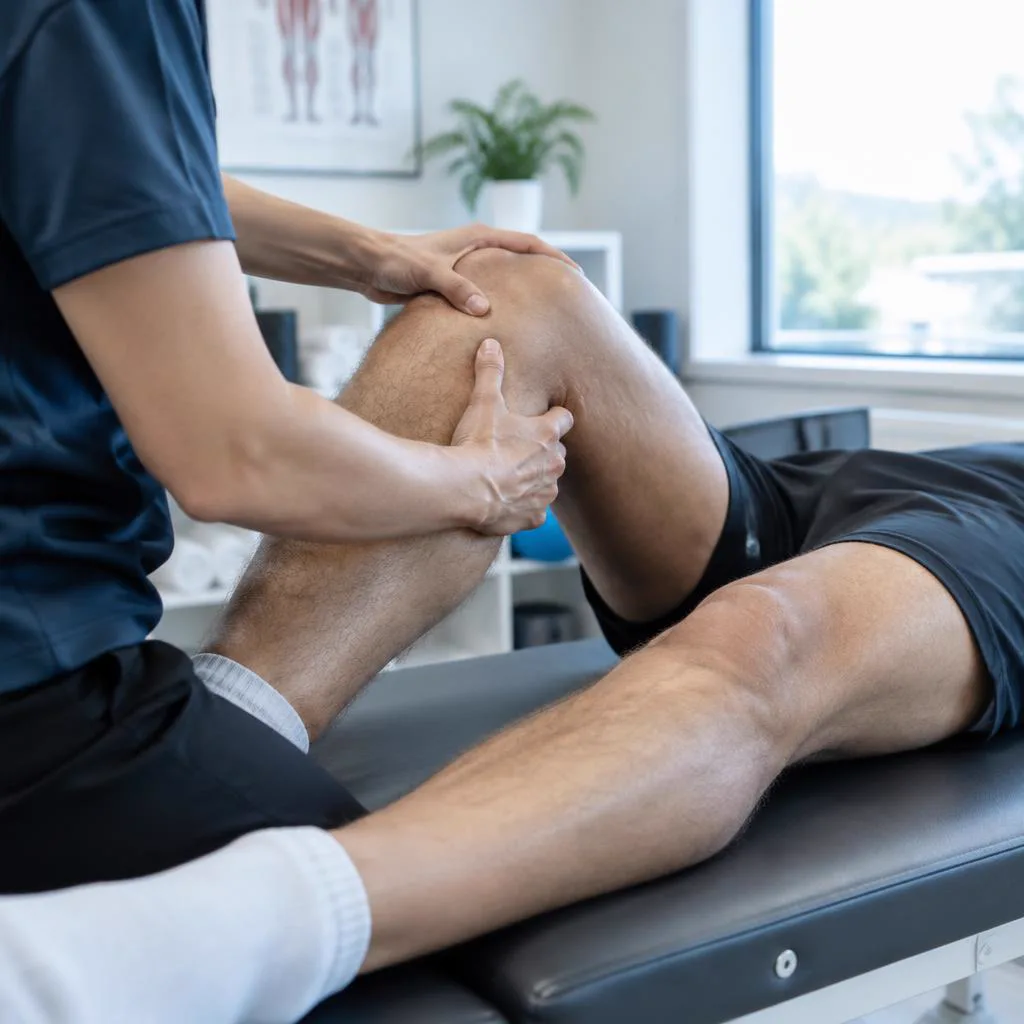
Hands-on Joint & Movement Check

Dr. Prajwal personally checks your joint range, ligament strength, tenderness, and how you walk.

Reviewing Your Scans Together

We review your X-rays or MRI scans on the clinic screen, showing you clearly what is causing your discomfort.

A Clear, Practical Treatment Plan

You receive a clear breakdown of non-surgical options, exercises, recovery timelines, and clear next steps.

COMMON QUESTIONS

Frequently Asked Questions About Arthroscopy & Keyhole Surgery

Direct answers to the practical questions patients and their families ask Dr. Prajwal before deciding on care.

Book an appointment

Fill in your details and Dr. Prajwal's clinic team will confirm your consultation slot by phone or WhatsApp.

Prefer to call? 080 4803 4373

Your details are sent directly to the clinic over WhatsApp; nothing is stored on this website. The clinic will confirm your slot by phone.

Clinic Address

7th Block, 4th Phase, 2/Y 6th Main, 100 Ft Road, opposite Popular Bajaj, Banashankari 3rd Stage, Bangalore 560085

Mon–Sat: 10:00 AM – 9:00 PM · Sunday: Closed

Minimally invasive keyhole arthroscopy tower and precision endoscopic instruments at Leela Health Care