A Doctor's Guide to Broken Bones: Plaster Casting, Bone Healing, and Modern Fixation
How bones heal, when a cast is all you need, and when surgical plating ensures accurate alignment and joint protection.
A broken bone has an incredible ability to heal itself when held in proper alignment. We use lightweight casts whenever bones are stable, and low-profile internal plates only when bone fragments need rigid alignment to prevent stiffness or deformity.
How Bones Naturally Heal Themselves
Unlike most other tissues in the human body that heal with scar tissue, bone is one of the few tissues capable of regenerating completely. When a bone breaks, blood vessels rupture, forming a healing blood clot (hematoma) around the fracture site. This clot delivers specialized stem cells that begin weaving a soft collagen bridge called a callus.
Over the next 6 to 12 weeks, the body deposits calcium and phosphate minerals into this soft callus, turning it into hard bone. Gradually, normal daily movement stimulates the bone to remodel along lines of mechanical stress, restoring its original strength and contour.
When a Cast is Enough and When Surgery is Needed
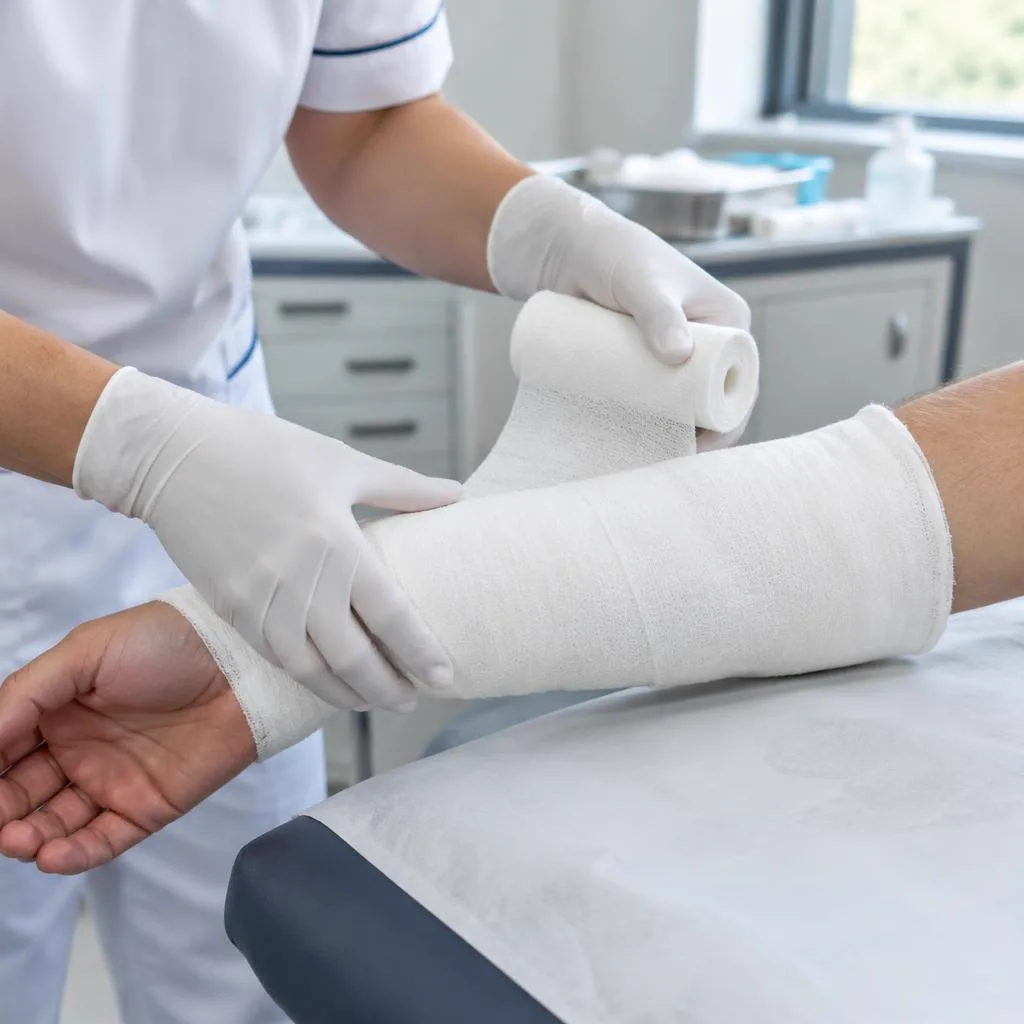
If the broken bone ends remain in near-perfect anatomical position and will not shift under muscle pull, surgery is not needed. We apply lightweight, water-resistant fiberglass casts or custom splints that hold the fragments rigidly while the bone knits naturally.
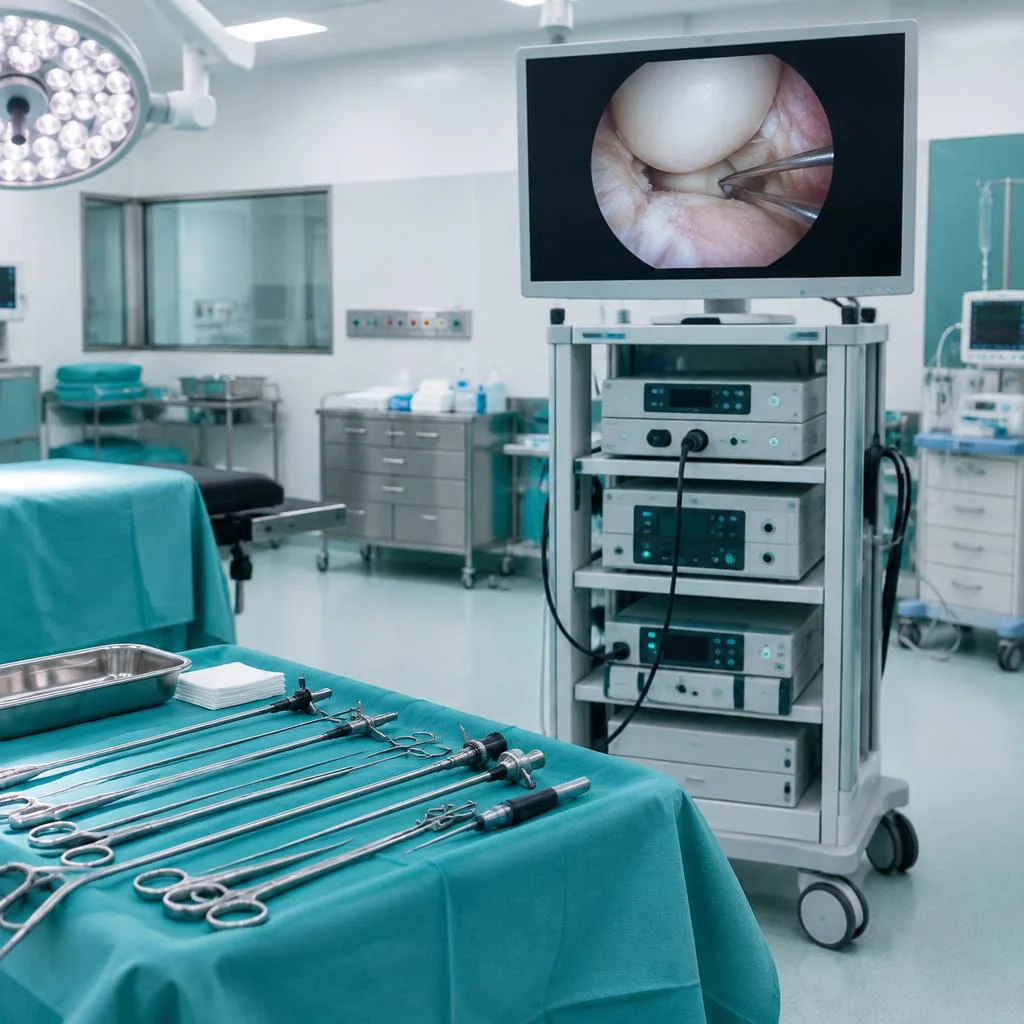
However, if the bone is displaced, shattered into multiple pieces, or extends into a smooth joint surface (like the wrist, ankle, or knee), a cast cannot reliably hold it. An uneven joint step-off of even 2 millimeters can cause rapid post-traumatic osteoarthritis. In these cases, surgical fixation ensures accurate anatomical alignment.
Biological Fixation: Low-Profile Locking Plates and Nails
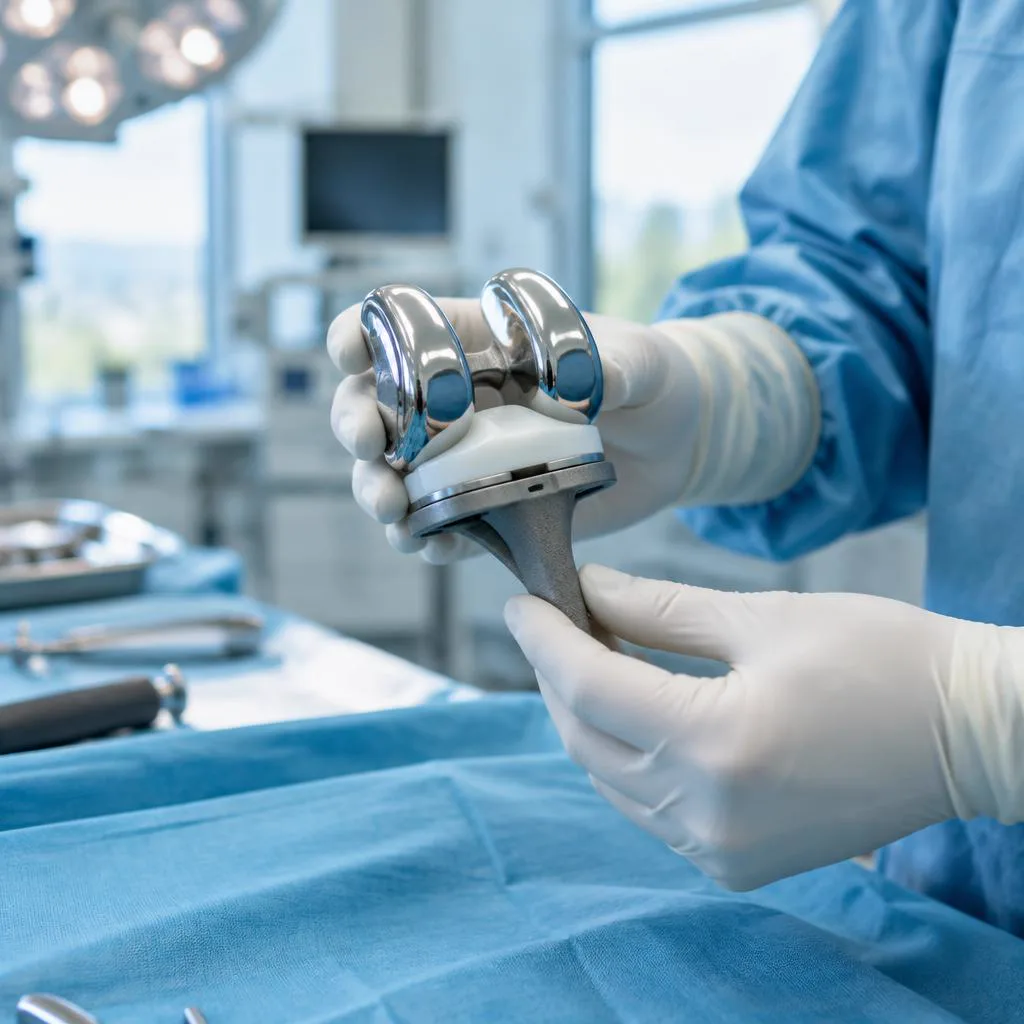
Modern fracture surgery is biological. Dr. Prajwal avoids large incisions that strip away the periosteal blood supply surrounding the broken bone. Instead, we use pre-shaped, low-profile titanium locking plates or intramedullary rods inserted through small incisions.
These plates lock screws directly into the metal plate itself, creating a rigid internal splint. This provides immediate mechanical stability, which means patients do not need bulky plaster casts and can begin moving adjacent fingers, toes, and joints within days of surgery to prevent joint stiffness.
Supporting Your Bone Healing at Home
Bone healing demands significant energy and nutrients. We advise all patients to maintain adequate protein intake, ensure good vitamin D3 levels, and consume calcium-rich foods. Complete avoidance of smoking and tobacco is essential, as nicotine severely constricts micro-capillaries and triples the risk of delayed bone union.
Sequential digital X-rays taken at weeks 1, 2, 6, and 12 verify that the healing bone bridge is consolidating solidly before full load-bearing activities and manual work are resumed.