Knee Arthritis: Symptoms, Non-Surgical Care & Treatment Guide
Knee osteoarthritis occurs when protective articular cartilage gradually thins over time, reducing the natural shock-absorbing cushion between the femur and tibia. In our clinical practice, managing knee arthritis starts with non-surgical joint preservation, quadriceps conditioning, and joint offloading before surgical intervention is ever considered.
In-Clinic Clinical Evaluation
Hands-on Joint Check • Digital X-Ray on Site • Clear Care Pathway
Understanding Knee Arthritis (Osteoarthritis)
Orthopaedic pain is often misunderstood. Patients experiencing joint stiffness, catching, or radiating back discomfort frequently fear immediate major surgery. In clinical practice at Leela Health Care, our philosophy is anchored in clear diagnosis, patient education, and exhausting non-surgical therapies before any surgical pathway is contemplated.
What You Feel: Typical Signs & Sensations
Symptoms often start subtly before progressing. Recognizing these early signs helps prevent compensatory strain on adjacent joints.
- Persistent dull ache deep inside the knee joint that intensifies after prolonged standing, walking, or physical exertion
- Morning joint stiffness typically lasting under 30 minutes, gradually easing as the joint warms up with gentle motion
- Noticeable grinding, crunching, or clicking sensation (crepitus) during knee bending, kneeling, or stair climbing
- Localized joint swelling (effusion) that flares up following heavier activity or weather shifts
- Difficulty rising comfortably from low chairs, sofas, or getting out of cars without pushing off with the arms
- Progressive inward bowing of the legs (varus deformity) as the inner medial joint cartilage gradually wears down
Why It Happens: Joint & Tissue Mechanics
Joint and spine discomfort is rarely caused by a single isolated event; it usually reflects mechanical load, tissue wear, historic trauma, or postural stress.
Gradual biomechanical wear of the smooth hyaline articular cartilage and age-related decline in natural synovial fluid lubrication
Excess body weight placing up to four times the mechanical stress across the tibiofemoral joint during level walking
Historic knee injuries including previous ACL ruptures, meniscus tears, or tibial plateau fractures that alter normal joint tracking
Occupational demands involving repetitive heavy lifting, squatting, or kneeling on hard surfaces without knee support
Underlying genetic predisposition influencing cartilage resilience, bone density, and lower extremity skeletal alignment
Clinical Diagnosis & Joint Examination at Leela Health Care
Accurate diagnosis requires direct clinical palpation, joint stress testing, and targeted imaging reviewed with you in the consultation room.
Hands-on Clinical Joint Examination
Our orthopaedic specialists thoroughly assess active and passive knee range of motion, medial and lateral joint line tenderness, patellar tracking, and gait mechanics to evaluate overall joint stability and mechanical wear.
Standing Weight-Bearing Digital X-Rays
Conducted directly in our Banashankari clinic to capture the true joint space under full body weight. This reveals exact cartilage thinning, subchondral bone sclerosis, and osteophyte (bone spur) formation across both knees for accurate comparison.
Targeted MRI Imaging (When Indicated)
Recommended selectively when symptoms suggest an underlying acute meniscus tear, subchondral bone marrow edema, or osteonecrosis alongside general degenerative wear.
Conservative-First Care: What You Can Do First
We prioritize non-invasive measures. For most patients, disciplined early care restores function without surgical intervention.
Targeted Quadriceps & Hamstring Conditioning
Strengthening the major thigh muscles significantly reduces compressive forces across the knee joint by acting as natural shock absorbers during walking and stair descent.
Low-Impact Aerobic & Joint Mobility Exercises
Stationary cycling, swimming, and flat-surface walking encourage synovial fluid circulation and maintain range of motion without repetitive high-impact jarring.
Judicious Anti-Inflammatory & Medical Support
Structured, short-term courses of topical analgesics, targeted NSAIDs, and cartilage-supporting supplements to calm acute synovial flare-ups safely.
In-Clinic Joint Lubrication & Injections
Hyaluronic acid viscosupplementation or targeted anti-inflammatory injections administered under aseptic clinic conditions to restore joint cushion and ease chronic friction.
When Conservative Care Is Not Enough
Surgery is never a first choice, but delaying necessary intervention when structural criteria are met can cause secondary damage. Here is when our clinical specialists recommend evaluating surgical options:
Severe Bone-on-Bone Cartilage Obliteration
Weight-bearing radiographic scans demonstrate complete absence of joint space with direct subchondral bone contact and friction.
Persistent Pain at Rest or Interrupting Sleep
Severe discomfort that wakes you during the night or persists despite regular medications, physical therapy, and activity modification.
Progressive Angular Limb Deformity & Walking Restriction
Noticeable bowing of the knee causing gait instability, frequent stumbling, or inability to walk even short distances without significant pain.
Treatment Pathways at Leela Health Care
At Leela Health Care, knee osteoarthritis is approached with a strict conservative-first philosophy. Over 80% of our patients manage knee discomfort for years through structured quadriceps strengthening, weight reduction counseling, ergonomic footwear, and targeted lubricating joint injections. However, when conservative therapy no longer maintains daily independence and severe bone-on-bone friction causes night pain or progressive limb bowing, our clinical team transitions care to our specialized Knee Replacement Surgery pathway.
Knee Replacement Surgery
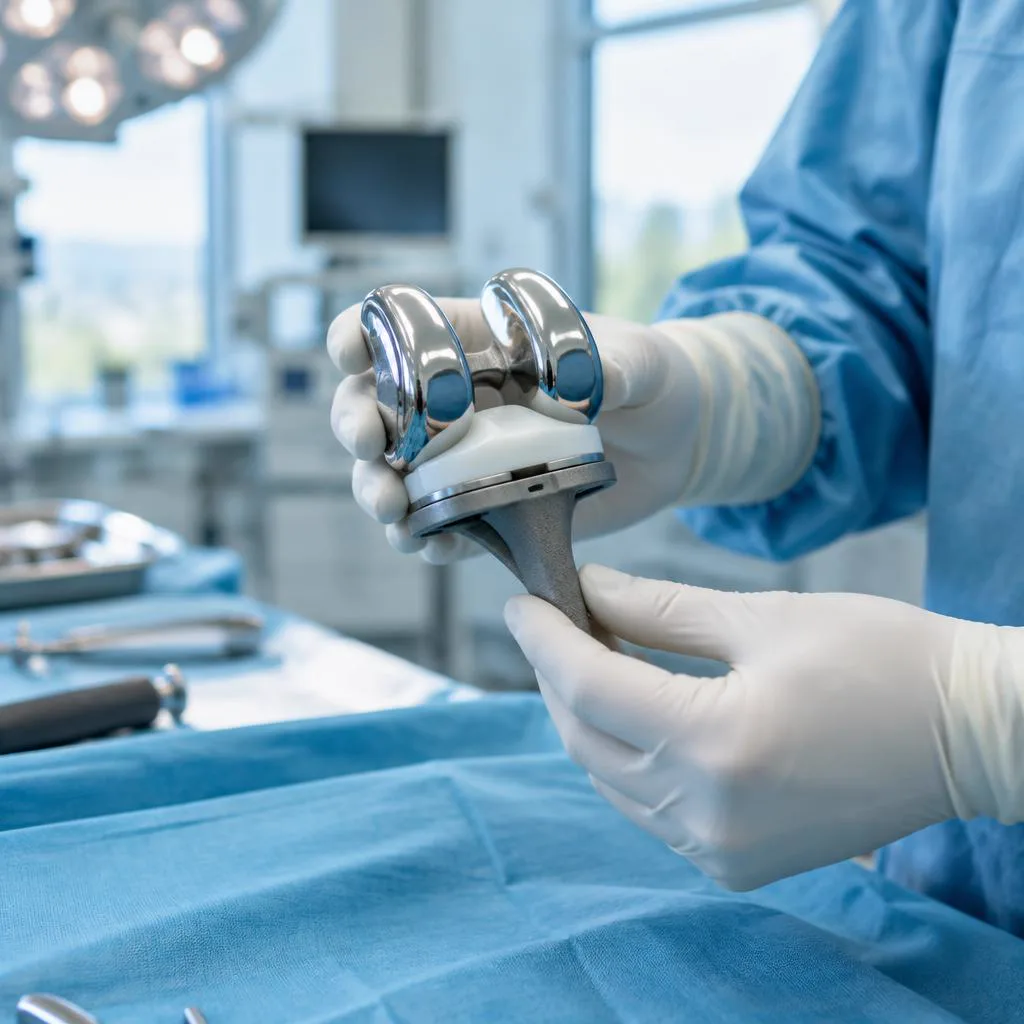
Advanced total or partial knee replacement utilizing tissue-sparing techniques, restoring pain-free alignment and natural walking when joint cartilage is completely worn.
Common Questions About Knee Arthritis (Osteoarthritis)
Clear, direct answers to what patients frequently ask during their consultation at our Banashankari clinic.
Book an appointment
Fill in your details and Dr. Prajwal's clinic team will confirm your consultation slot by phone or WhatsApp.
Clinic Address
7th Block, 4th Phase, 2/Y 6th Main, 100 Ft Road, opposite Popular Bajaj, Banashankari 3rd Stage, Bangalore 560085
Mon–Sat: 10:00 AM – 9:00 PM · Sunday: Closed